Scroll down

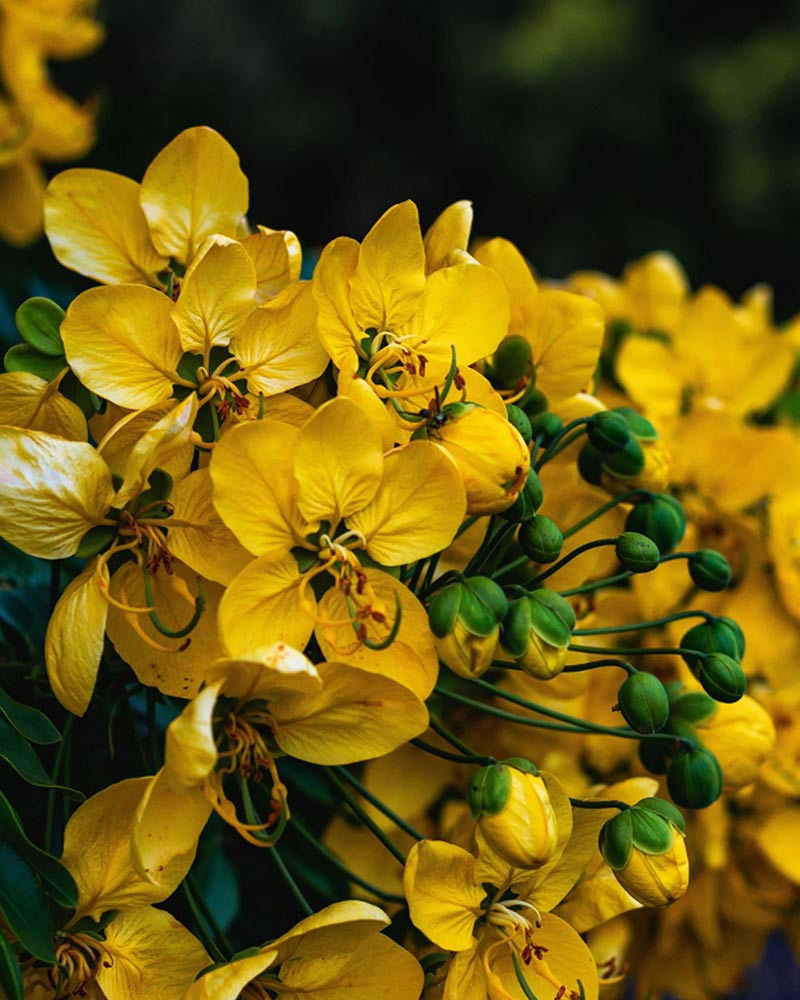
In the lush lowlands of Sri Lanka, a golden-yellow flower quietly flourishes, Ranawara (Cassia auriculata), a plant long celebrated in local traditions for its healing qualities and soothing presence. Known for its bright blossoms and delicate leaves, Ranawara has been used for generations as both a natural remedy and a calming daily ritual.
Rooted in Ayurveda, Sri Lanka’s ancient system of healing, Ranawara is revered for its ability to naturally cool the body, support liver function, and balance blood sugar levels. Traditionally, its dried flowers are brewed into a light, caffeine-free herbal infusion, consumed to relieve fatigue, promote digestion and maintain internal harmony.
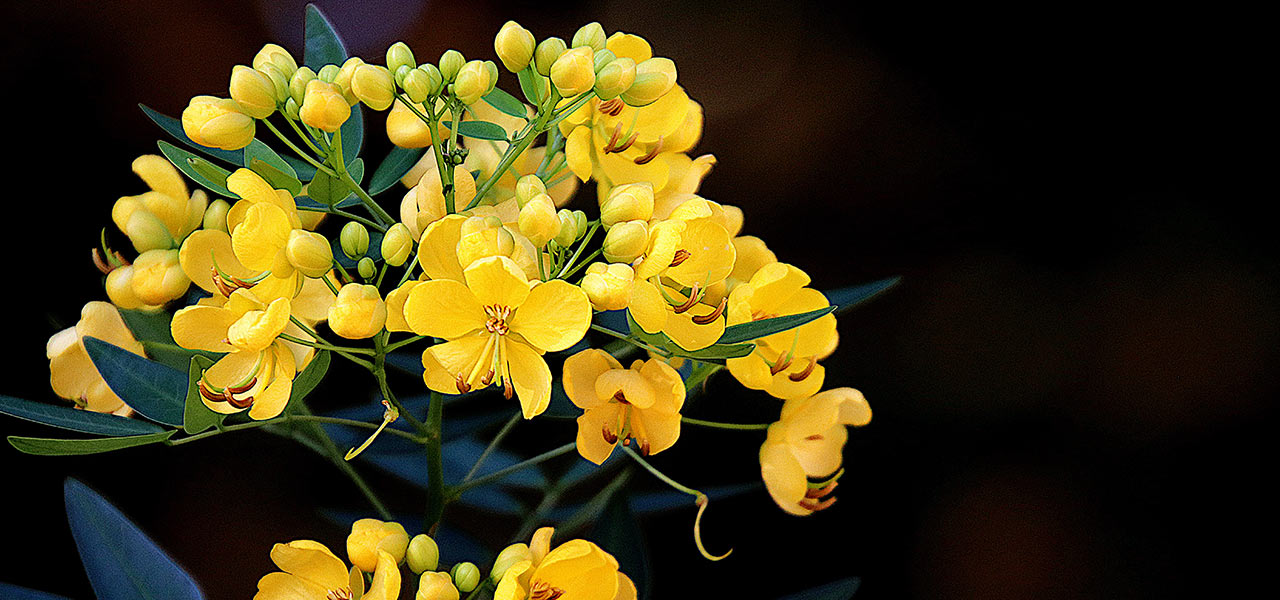
Unlike many herbal teas, Ranawara is not only functional but also flavourful. The infusion carries a mild earthiness with subtle floral and honeyed undertones. It is often served in village homes as a welcome drink, an offering of warmth and wellness to guests.
Ranawara is more than a botanical treasure, it’s part of the landscape. You’ll find it blooming freely in Sri Lanka’s national parks and in the areas surrounding Wild Coast Tented Lodge, a natural thread in the fabric of the dry zone ecosystem. Seeing Ranawara in the wild, its golden petals catching the light, is a quiet reminder of the island’s deep connection to nature and tradition.
Beyond its physical benefits, Ranawara plays a cultural role. It is associated with purification, clarity and renewal. In traditional practices, it is used during cleansing rituals and seasonal transitions, believed to help restore balance between body and mind.
Today, as wellness seekers look to nature for answers, Ranawara stands out as a gentle yet powerful botanical. Sustainably grown in Sri Lanka’s dry zones, it is hand-harvested and sun-dried in keeping with time-honoured methods.
To drink Ranawara is to take part in an ancient rhythm of care—one that is rooted in the land, rich in tradition and deeply Sri Lankan.
In the heart of the Indian Ocean, Sri Lanka is home to one of the world’s most treasured spices: Ceylon Cinnamon.
EXPLORE more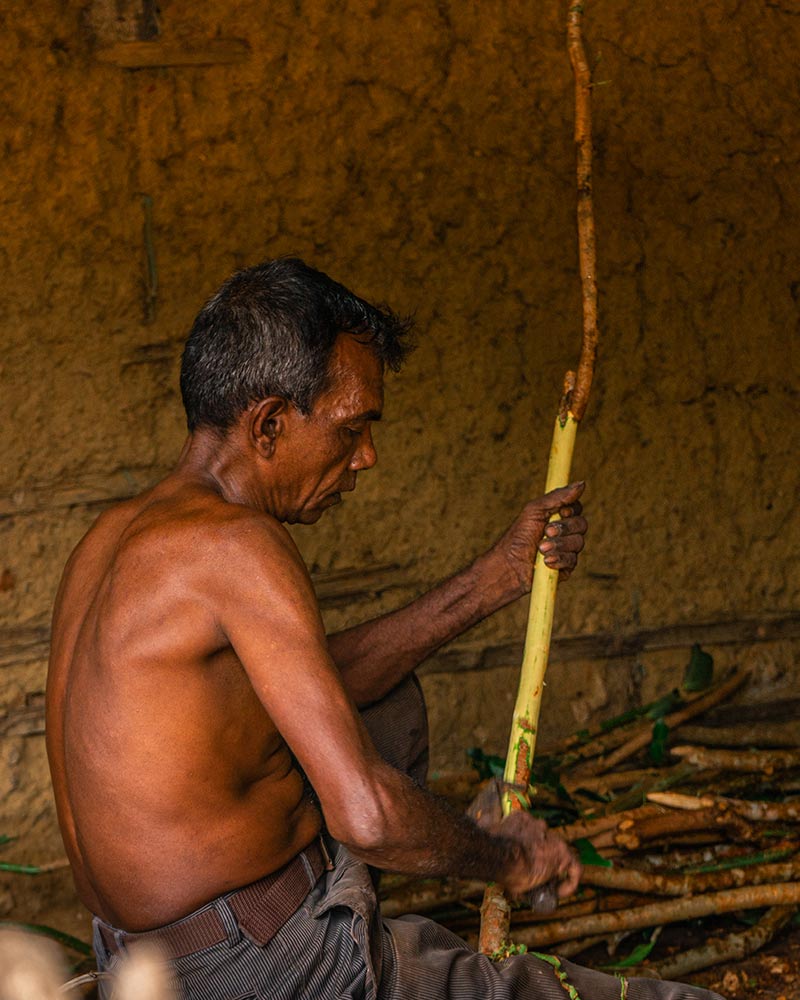
From the water, milk and oil giving nuts to the husk and leaves, there is nothing that goes to waste.
EXPLORE more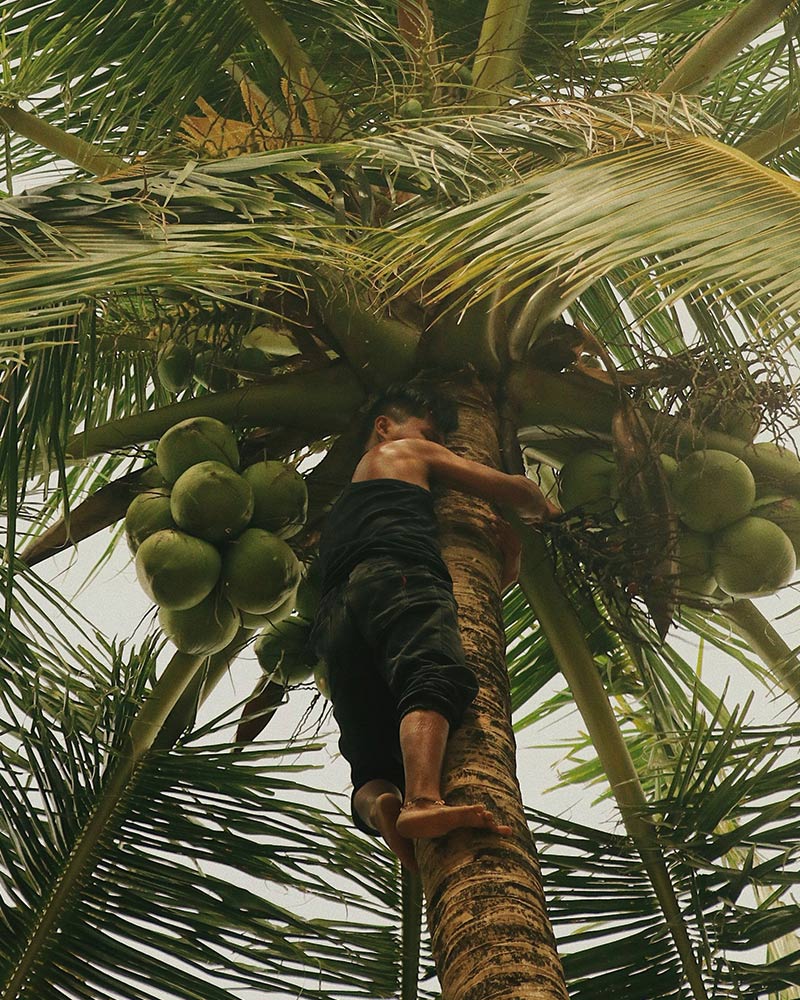
A product that began as an experiment spanning just 19 acres of land is now the island’s golden crop.
EXPLORE more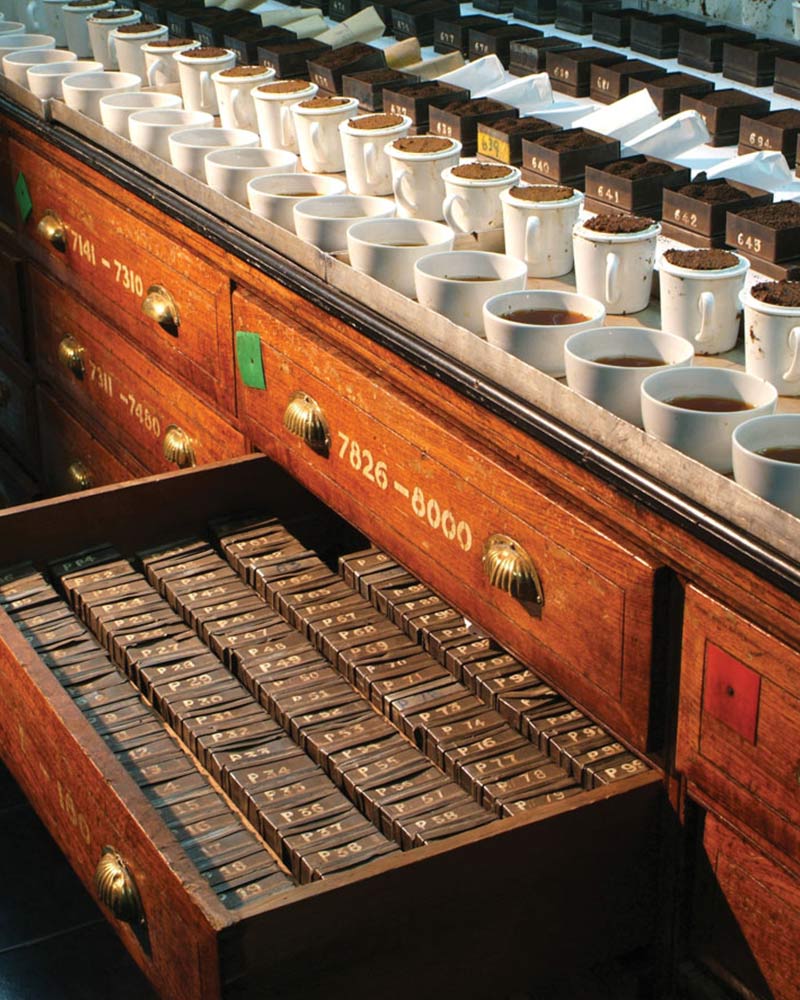
Displaying rich diversity in form and style, ancient Sri Lankan architecture is fairly distinctive.
EXPLORE more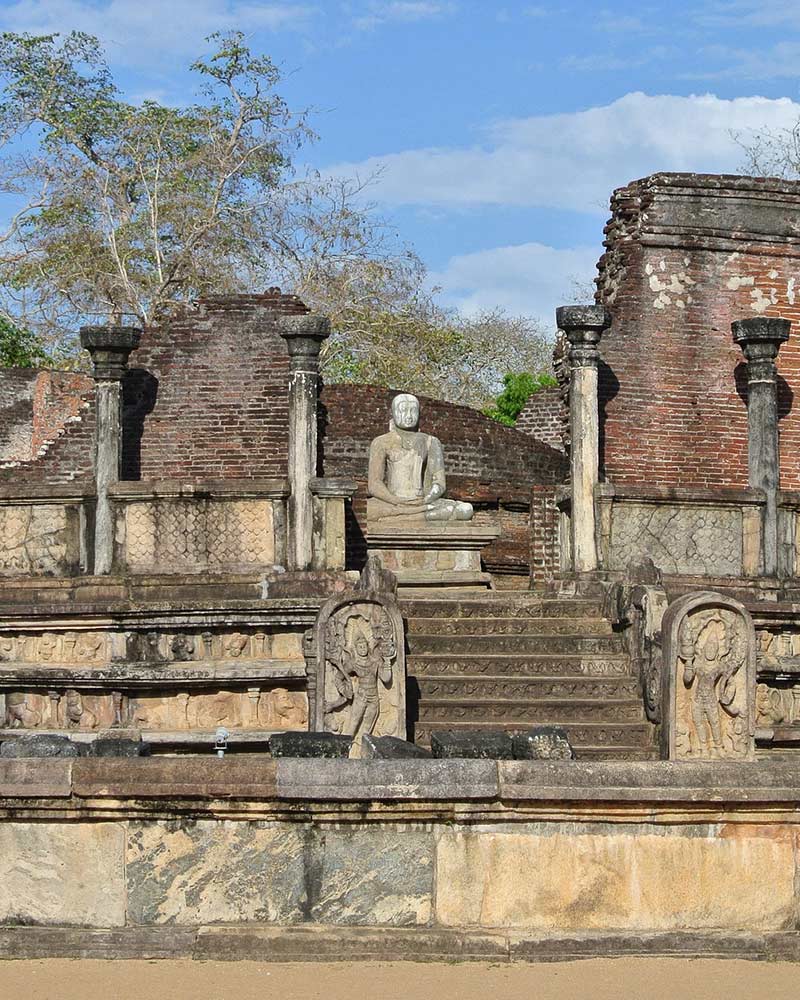
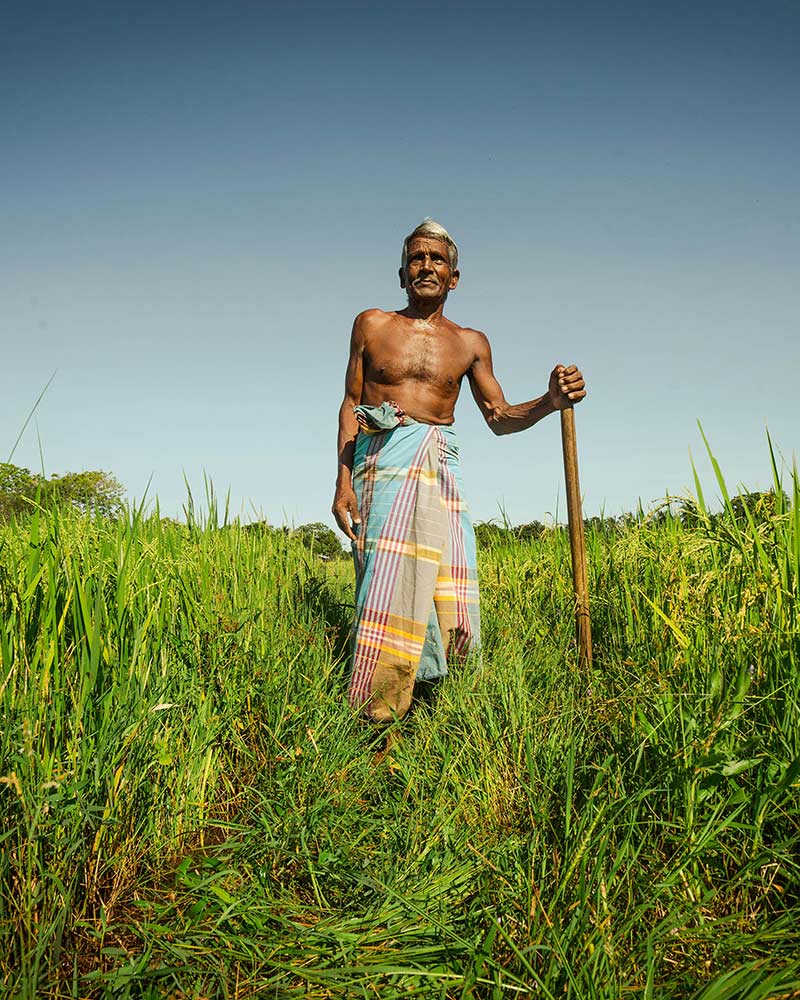
Rice is an important crop of Sri Lanka. The land on which farmers cultivate rice is referred to as a ‘kumbura’
EXPLORE more