Scroll down

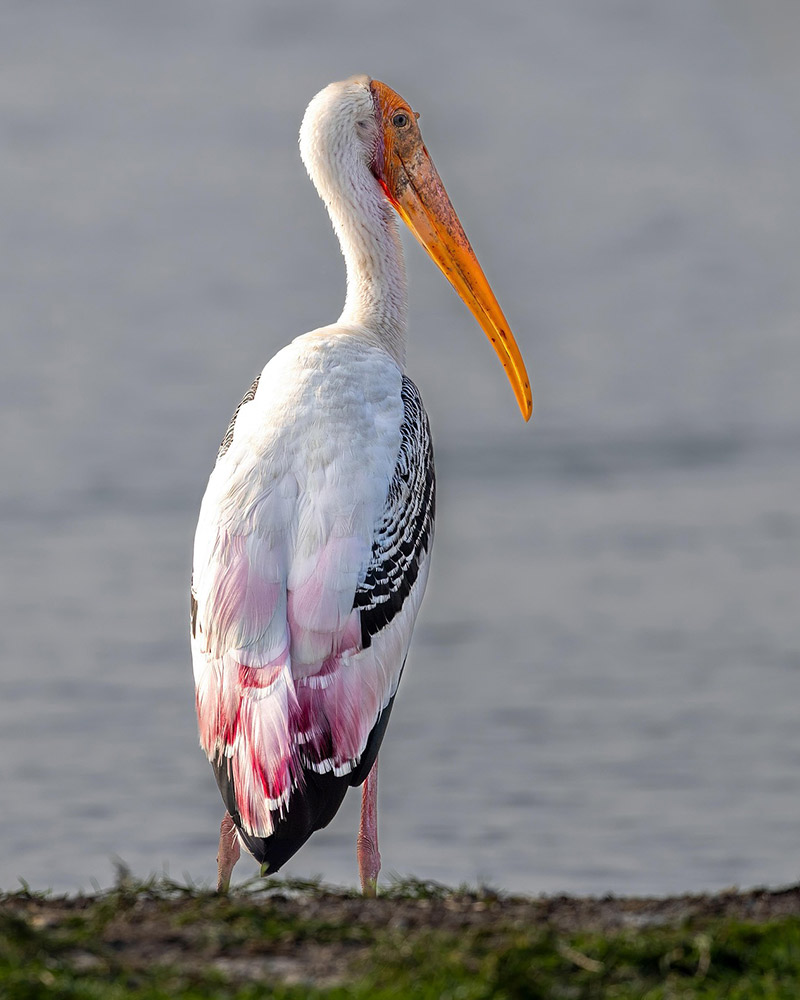
The Bundala National Park harbours a rich biodiversity, including several endemic as well as threatened species of plants and animals, and a large number of migratory species. Located approximately 252 kms southeast of Colombo, in the Hambantota District, it falls within the Southeastern Arid Zone of our island. The terrain is flat and home to vegetation of dry thorny scrub land, marshes, lagoons, waterways and dunes, and the typical climate is hot and dry.
Bundala is Sri Lanka’s first Ramsar Wetland – a wetland area of great international importance for the migratory waterfowl, as well as a UNESCO Biosphere Reserve declared in 2005. The Park was also declared a wildlife sanctuary in 1969. While Bundala can be visited throughout the year, December is considered the best month for birding.
A total of 197 bird species have been identified at Bundala. 58 are migratory species. The birds can be categorised into several groups; wetland birds, forest birds, scrubland birds and grassland birds. The lagoons, inter-tidal mudflats and salterns provide ideal resting and feeding habitats for the numerous species of winter migrants and as a wintering ground, especially for wading and exotic species of birds. Migrant and vagrant birds journey from as far as Siberia. The reason being our island’s geographic location, being situated just below the southern tip of the Indian subcontinent, making it the final destination in their long journey across oceans.
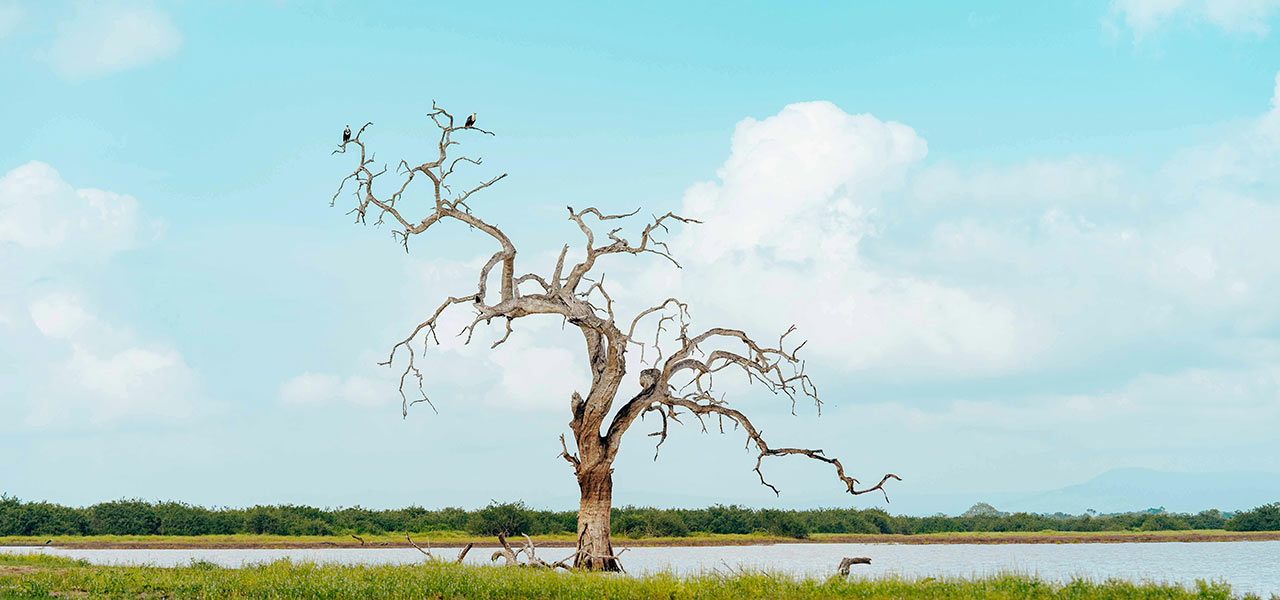
The rare Black-necked Stork and Great Thick-knee (wader), as well as the Greater Flamingo that visits in large flocks from India, are birding highlights. Other easy to spot bird species include the Blue-tailed Bee-eater, the Red Shank, the Spot-billed Pelican, the Blue-faced Malkoha, the Crested Hawk Eagle and Brown Shrike to name a few.
Out of 33 endemic birds, there are six species that can be observed at Bundala – the Jungle Fowl, Brown Capped Babbler, Crimson Fronted Barbet, Sri Lankan Swallow, Ceylon Green Pigeon, and Sri Lanka Woodshrike.
In terms of other faunal species, a total of 324 species of vertebrates were recorded at the Bundala National Park, of which 11 species are endemic and 29 species are nationally threatened. The vertebrates include 32 species of fish, 15 species of amphibians, 48 species of reptiles, 205 nearly species of birds, and 32 species of mammals.
Discover the south beyond its beaches and explore jungles, paddy fields, spices & more.
EXPLORE more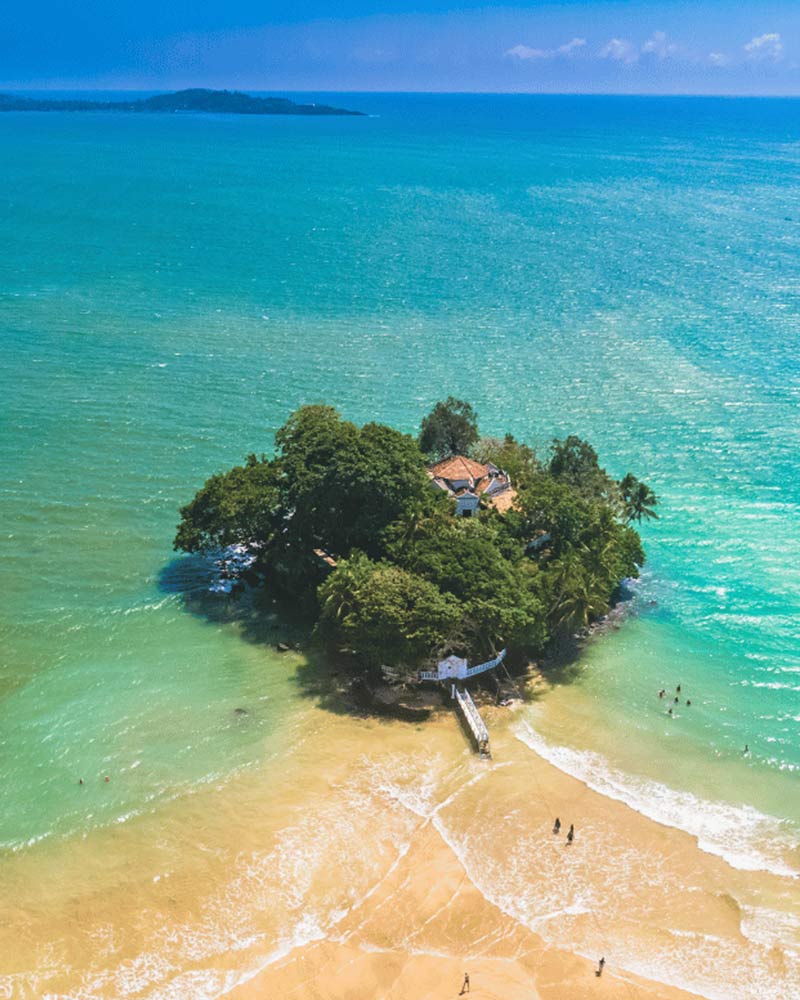
This picturesque haven offers a blend of serene luxury and adventurous spirit.
EXPLORE more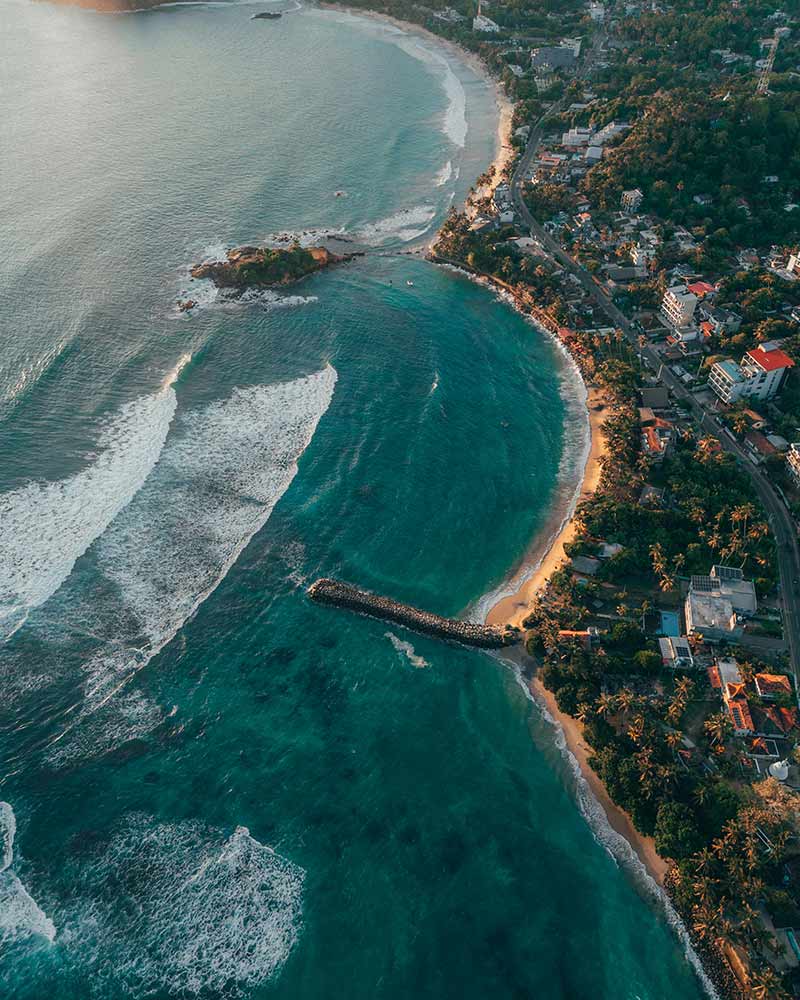
The City of Galle was for many centuries the capital of the Southern Province.
EXPLORE more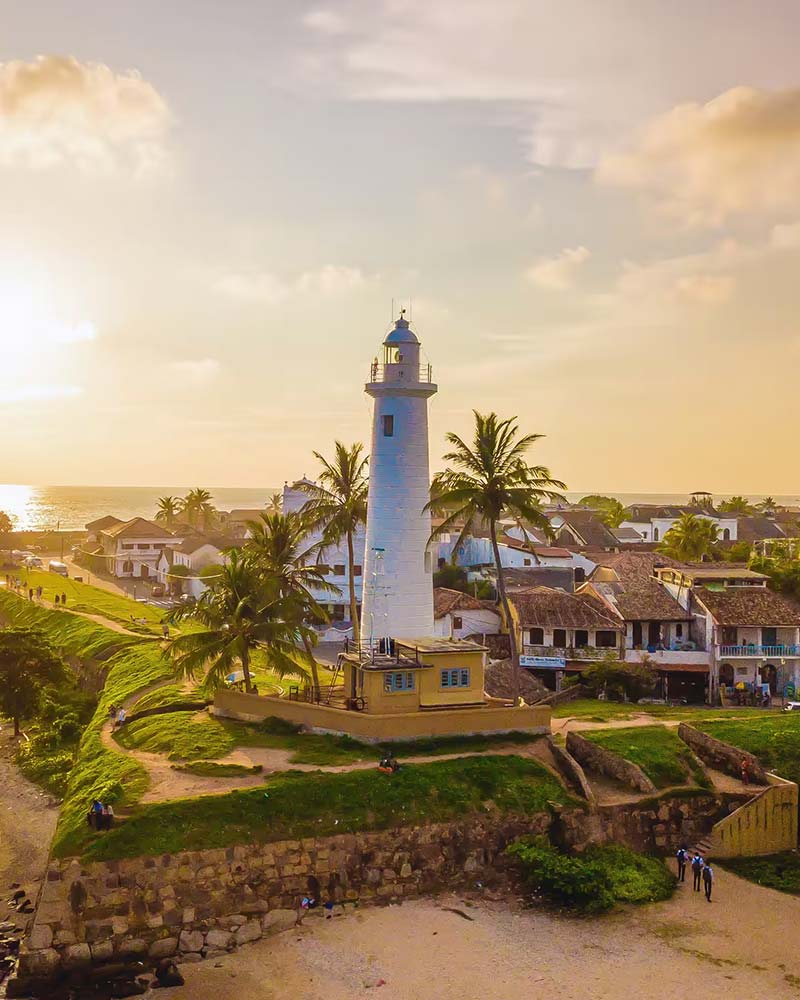
Ruhuna, the home of Yala, pulsates with life and a landscape teeming with lush flora and fauna.
EXPLORE more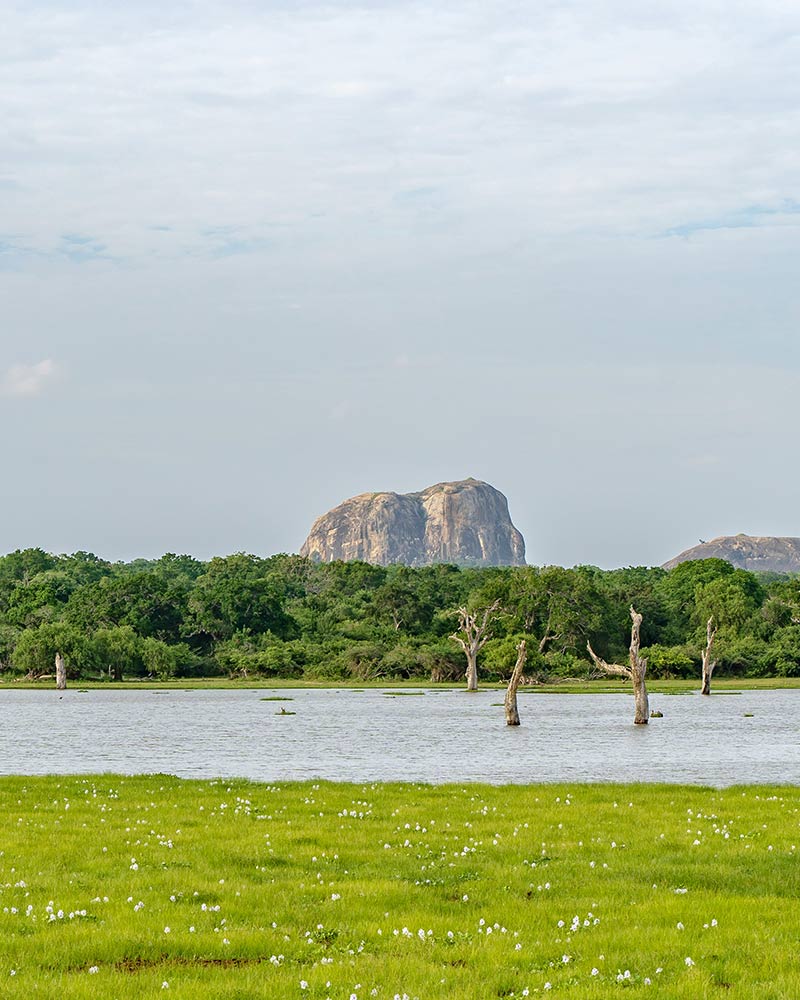
You’ll come to discover 27 different national parks, scattered across diverse landscapes, plains and terrains.
EXPLORE more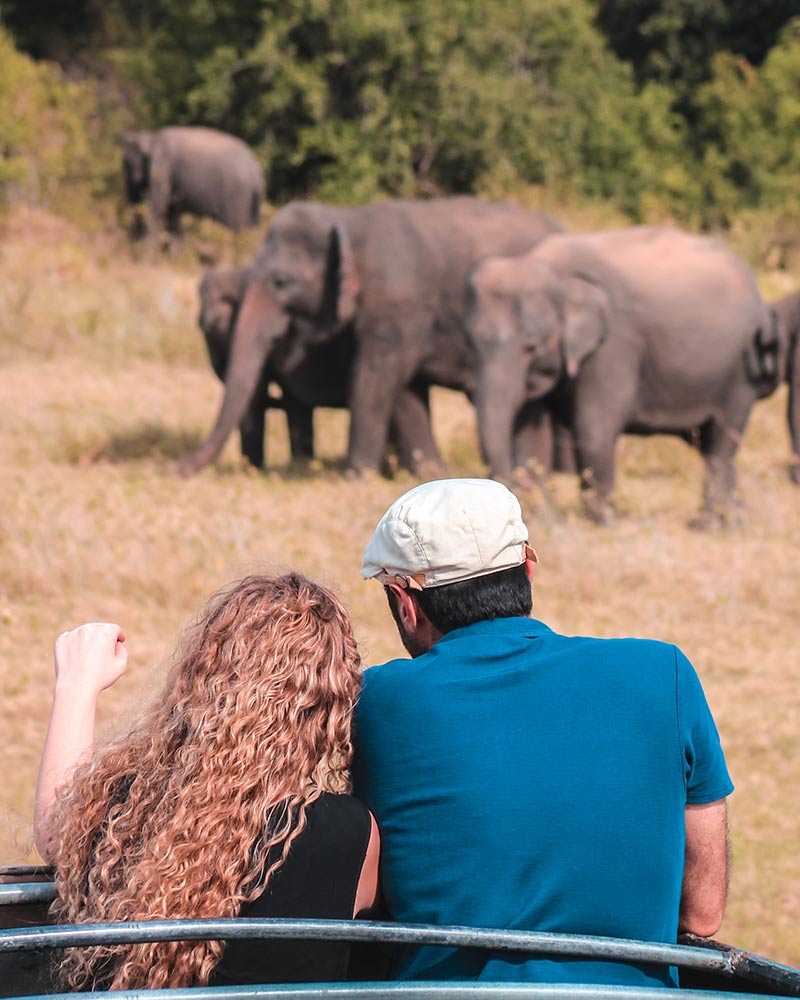
Spending some time in the capital comes with its fair share of exploration and excitement, culture, food and its people.
EXPLORE more